
What do the best vaccine programs have in common?
This ebook describes the five dimensions that set apart an acceptable vaccine program from an exceptional one — the kind that strengthens the practice and multiplies who it can protect.
Let’s dive into what that really looks like.
What Separates a Vaccine Program That Runs From One That Performs
A stronger vaccine program is easier to recognize when you know what to look for. These five dimensions highlight the changes that matter most in day-to-day practice performance and patient reach.
1. Financial Clarity with Clearer Visibility
It’s the end of the month. The practice owner opens one screen and sees exactly what the vaccine program earned, what it cost, and what’s still owed. No spreadsheet archaeology. No guessing. The number is just there.
Real-time financial visibility turns the vaccine program from a question mark into a known quantity. You see earnings, costs, and outstanding claims in one place, so decisions rest on current numbers instead of last quarter’s best guess. That clarity removes the anxiety of not knowing whether a low-volume line is quietly draining cash or quietly contributing to it.
For the owner or office manager, it means walking into a budget conversation with answers already in hand. And when the numbers are dependable, the whole team trusts that the work they do at the point of care shows up correctly on the bottom line.
2. Operational Efficiency for Your Entire Team
Overnight, your system saw what was administered, reordered what was low, and automatically shipped it to your clinic. The medical assistant that used to spend their first hour on this is already with a patient.
Most practices don’t manage vaccine inventory so much as they manage a collection of workarounds that grew one fix at a time: the spreadsheet only one person fully understands and the sticky notes on the fridge. None of it was planned, it was cobbled together because vaccines had to get ordered somehow, and each workaround just patched the gap the last one left open.
That patchwork has a real cost: hours lost to counting and reconciling, doses expiring because a spreadsheet was a step behind, and a workflow that stalls the moment the one person holding it together calls in sick. An infrastructure-backed program replaces all of that with a single automated system that watches what you administer, sees what’s running low, and restocks on its own, with no spreadsheets, no standing phone calls, and no end-of-day hand-counts.
Claims generate and submit automatically, administration records flow straight to the chart, and the workflow keeps running whether your vaccine coordinator is in the building or not. This matters most where staff are stretched thinnest, because when you take vaccine management off their plate, those hours don’t disappear into overhead. They go straight back to patients.
3. Internal Consistency and Workflows
A new clinic opens on Monday. There’s no scramble, no institutional knowledge locked up in one person, no reinventing the workflow. On day one it runs vaccines exactly the way every other location does, because the program is exactly the same.
A standardized workflow means the vaccine process doesn’t live in one person’s head anymore. When the steps are the same everywhere, a new hire can be operational quickly, and a staff absence no longer stalls the whole program. That resilience protects the practice from the fragility that comes with turnover, sick days, or a single overloaded coordinator.
For groups adding locations, it turns growth into something repeatable instead of chaotic, because each new site runs vaccines the way every other site already does. Consistency also gives patients the same reliable experience no matter which office they walk into.
4. Clinical Amplification for Greater Patient-centered Care
When patients come in for their yearly physical, they may not have a flu vaccine on their mind. Instead of relying on staff to remember every gap during every visit, the clinics’s system sends reminders texts to the patient directly to help keep patients on schedule.
That means fewer missed doses, higher vaccination rates across the panel, and patients who leave better protected than when they arrived. The result?
Over time, closing these gaps strengthens quality metrics and keeps patients receiving preventive care in their medical home. Higher vaccination rates also extend well beyond the individual patient who receives the dose.
When more in a community are protected, those who can’t be vaccinated, including patients who are immunocompromised, undergoing chemotherapy, or living with a chronic illness, benefit from the reduced spread around them. A practice that consistently closes immunization gaps isn’t just improving its own outcomes. It’s contributing to a healthier, more resilient community for everyone.
5. External Adaptability that Helps Keep You Informed
Guidelines and payer rules shift often, and keeping up manually is a job no practice has time for. When those changes flow into the workflow automatically, the practice stays current without anyone tracking bulletins or retraining staff on the fly. That protects you from compliance gaps and the reimbursement surprises that come from billing against an outdated rule.
Staff stay confident because the guardrails are built in, prompting the right dose and the right coverage as the standards move. The result is a program that adapts on its own, so a change in the guidance never becomes a scramble in your office.
The Illusion of Profitability
In session after session, vaccines looked like they paid for themselves.
The reasons were consistent.
Strong purchasing power
Scale and supplier leverage made margins look healthy on paper.
Favorable reimbursement
Contracted rates suggested vaccines should perform well financially.
Limited visibility into burden
Costs sat spread across sites, so the drag was easy to miss in any single budget review.

A Smaller Move Than it Feels
Switching how you run vaccines can feel like a significant operational shift. But this move probably isn’t the leap you’re picturing. In fact, you’ve likely already made it before.
You stopped running your own lab and let a reference lab handle testing. You handed billing to a
revenue-cycle partner. Imaging moved out, too. Each time, the concern was the same: Would you lose control? And each time, you kept what mattered most — the patient and the result — and outsourced the
administrative headache.
Vaccines are one of the last functions many practices still carry entirely by hand: ordering, tracking, eligibility, charting, and billing. The practice absorbs the cost, the labor, and the risk. The result? Working harder than you need to provide care.
The Difference Isn’t Effort – It’s Infrastructure
The insight that runs through every high-performing vaccine program is straightforward: the strongest ones aren’t the ones doing more in-house. They’re the ones with real support behind them. An infrastructure-backed program absorbs the weight of vaccine management so that inventory, eligibility, billing, and reporting run in the background rather than on your team’s plate. You keep the clinical decisions and the patient relationship. The manual work that never belonged in an exam room gets handled elsewhere.
This isn’t a model waiting to be built. Practices, large groups, and health systems run vaccine programs this way today, with standardized workflows, cleaner reimbursement, and staff freed to focus on care. The question isn’t whether it works. It’s what your practice does with the time and capacity it gives back.

The Program You’ve Been Reading About is Possible.
The five dimensions covered here all point to one destination: a practice with financial clarity, operational efficiency, consistent workflows, clinical prompts that close care gaps, and a program that keeps pace as guidance changes.
This isn’t a hypothetical — many practices reach it every day. Some start with a single location and one overloaded coordinator. Others run vaccines across dozens of sites. What they share isn’t size or specialty, but the decision to stop treating vaccine management as a second job and start treating it as a program that runs with help thanks to built-in infrastructure.
That’s where we come in.
Since 2008, VaxCare has helped more than 21,000 providers make this shift. We’re the guide that has walked this path enough times to know where the steps are, and we handle the parts you’d rather not.
Here’s what the move looks like:
A short conversation
We start by understanding your practice, your payer mix, and your current workflow to see if VaxCare is a fit. No pressure, no long pitch.
An honest evaluation
We look at where your program stands today: what you’re spending on inventory, where reimbursement leaks, and how much staff time vaccines actually take. This holistic assessment will reveal things you may not realize are
even happening.
Clear before-and-
after picture
You see the numbers side by side, so the decision rests on real figures instead of a promise. Nothing is
a guess.
Your vaccine program can reach the same place. The first step is the smallest one: a short conversation to see where your program stands and what it could become.

Ready to see the before-and-after for your own practice?
Related Articles

CHRISTUS Health and the Drive for Visibility, Economic Efficiency and Standardization
Learn how Christus Health evolved its vaccine program with VaxCare, lowering costs and increasing revenue across its 100+ clinics.

The Ultimate Vaccine Management Plan Blueprint
Discover your vaccine program’s strengths and identify areas where a vaccine management plan can have the most significant impact.
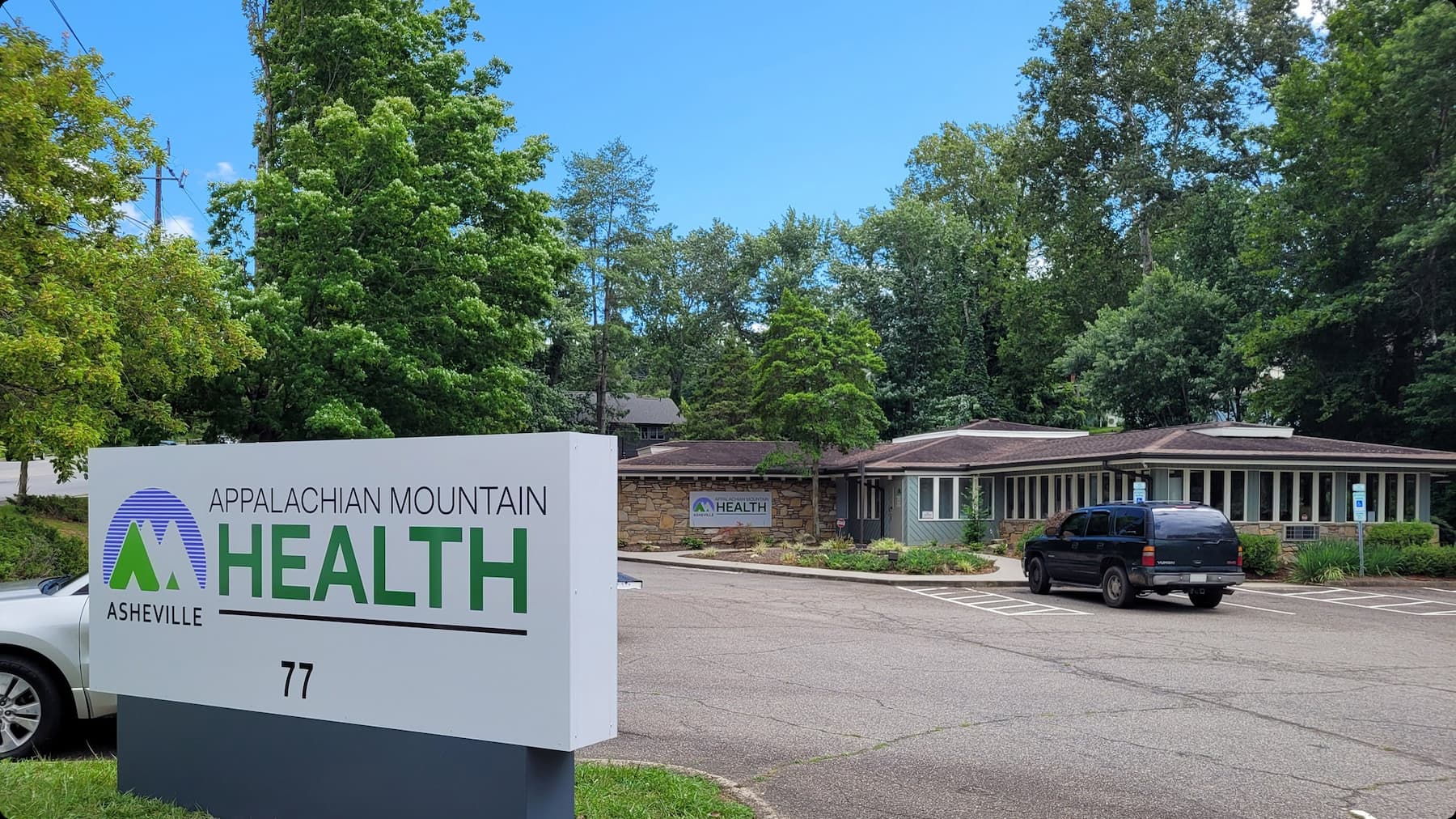
Appalachian Mountain Health is Bringing Confidence to Contraception
See how Appalachian Mountain Health transformed the LARC patient and practice experience with VaxCare.